
gem • Olivine
Peridot
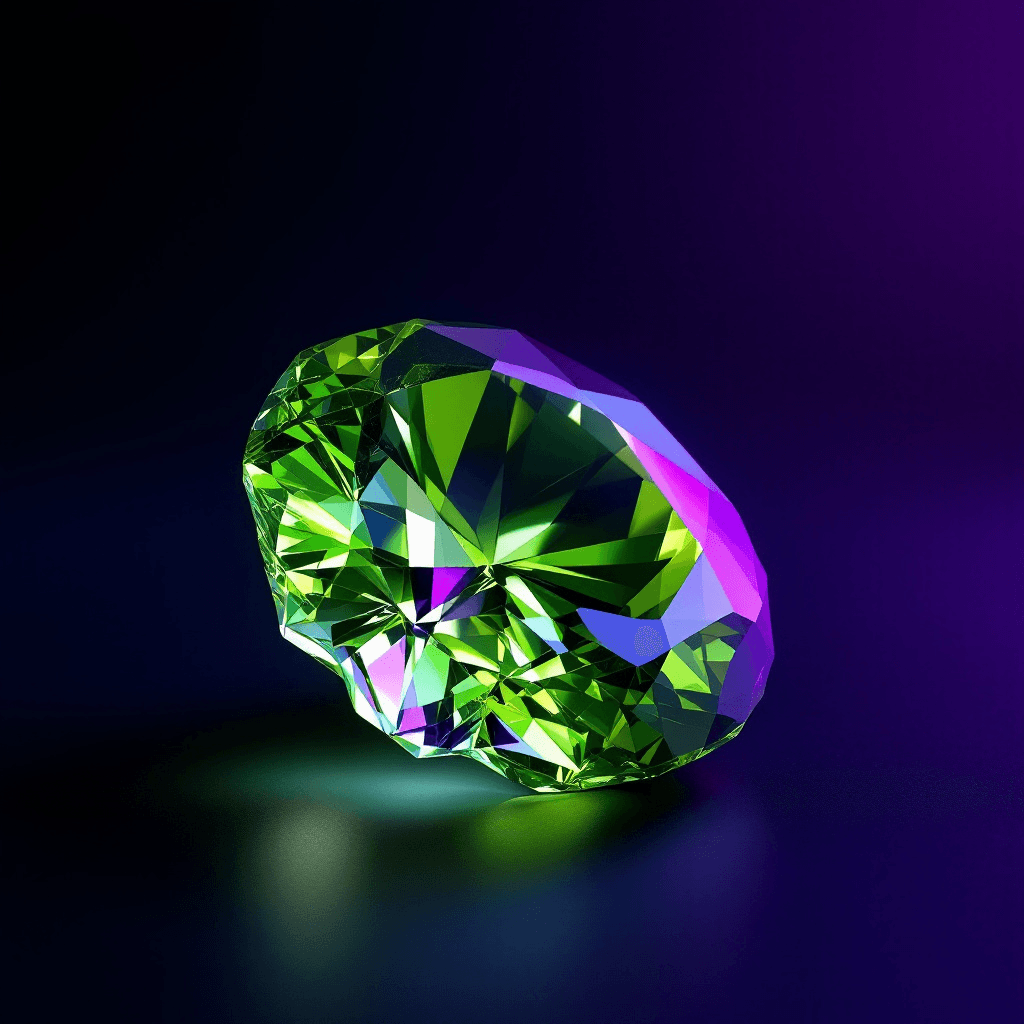
Peridot is a vibrant green gemstone, prized for its fresh color and clarity. It is the birthstone for August and has ancient roots in jewelry.
Quick Facts
Key properties and characteristics
Category
gem
Family
Olivine
Colors
Hardness
6.5–7 Mohs
Luster
vitreous
Transparency
transparent
Found In
Pakistan, Myanmar, USA
Ruling Planet
Budh, Shukra
Stone DNA
Property breakdown
Scores normalized to 10-point scale for comparison
Color Spectrum
Natural color variations
Origin Highlights
Where this stone is found
+2 more locations
Crystal Structure
Molecular arrangement
Orthorhombic
Three unequal axes at right angles
Geology Deep Dive
Formation & composition
Formation
Peridot forms deep in the Earth's mantle and is brought to the surface by volcanic activity. It can also be found in meteorites.
Volcanic / Plutonic
5-30 km below surface
Mineral Composition
Rashi & Planetary Match
Vedic astrology compatibility
Rashi Compatibility
Planetary Alignment
Uses by Industry
Click to explore similar stones
Commonly Confused With
How to tell them apart
Similar appearance
Similar appearance
Similar appearance
Similar appearance
Always verify with hardness test or expert examination
Formation & Geology
Peridot forms through geological processes over millions of years. The unique conditions of temperature and pressure create its distinctive characteristics and crystal structure.
Understanding the geological origins helps appreciate the rarity and natural beauty of this stone.
Uses & Applications
Spiritual & Healing
In Vedic astrology, Peridot is associated with the planet Budh (Mercury), supporting intellect, communication, and clarity. It is also linked to Shukra (Venus), enhancing love and prosperity. Traditionally, Peridot is thought to protect against evil spirits and promote restful sleep. Its vibrant green energy is said to cleanse the heart chakra, encouraging growth, renewal, and harmony. Many wear Peridot to invite positive change, boost confidence, and strengthen relationships.
Recommended for
Simha Rashi
Affirmations
"I am open to abundance and prosperity."
"I radiate positivity and attract good fortune."
"I communicate with clarity and confidence."
Rituals & Practices
- •Wear Peridot jewelry on the right hand to enhance Mercury's blessings.
- •Place Peridot under your pillow to encourage peaceful sleep.
- •Meditate with Peridot to cleanse the heart chakra and release emotional blockages.
The information provided is for educational purposes only and not intended as medical advice. Consult a qualified professional for health-related questions.
Make it yours
Is Peridot your stone?
Open Peridot on your phone
Scan the guide, save it to your profile, and use the app for stone scans, wearing reminders, and Rashi-aware jewelry ideas.
Scan the guide
Stone data enriched using AI with gemology and Vedic astrology sources. Always verify with certified experts for important decisions.