
rock • Metamorphic
Gneiss
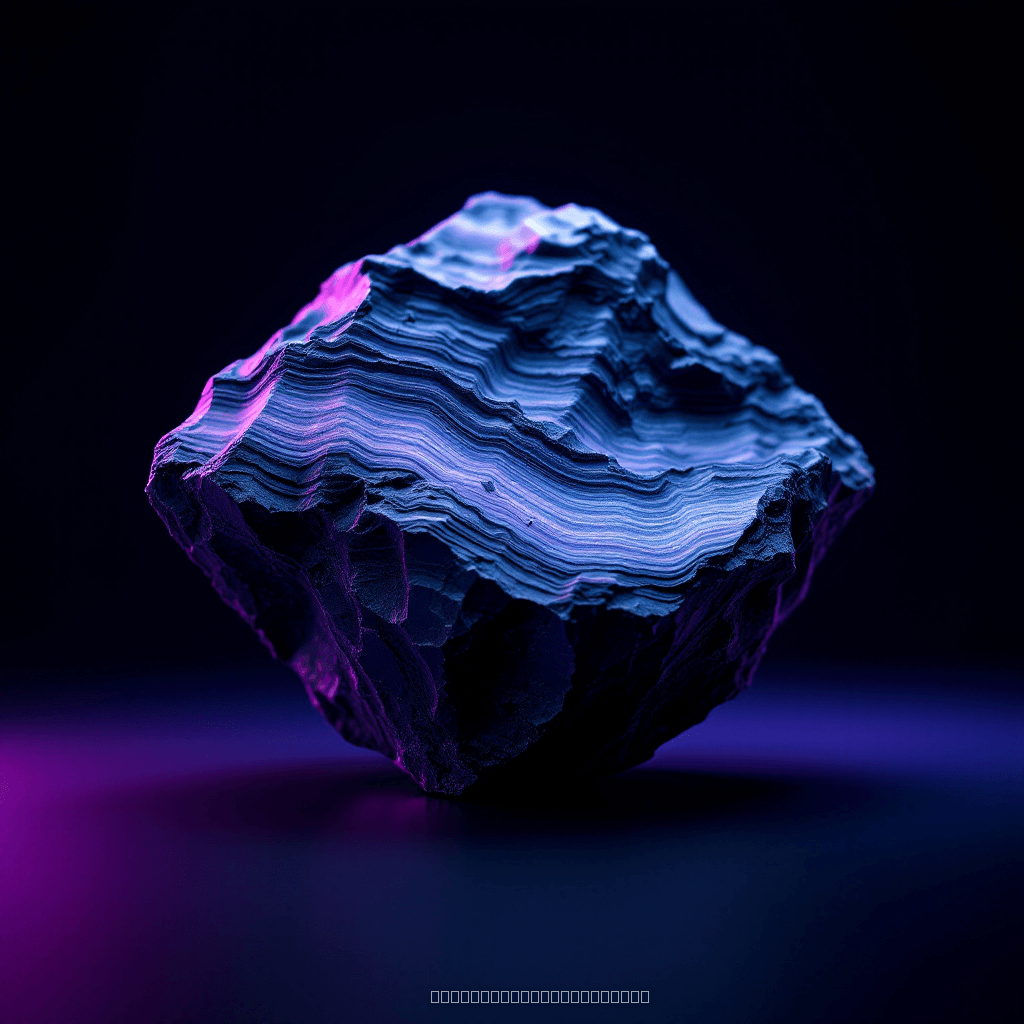
Gneiss is a banded metamorphic rock formed under high temperature and pressure, known for its distinctive alternating layers.
Quick Facts
Key properties and characteristics
Category
rock
Family
Metamorphic
Colors
Hardness
6–7 Mohs
Luster
vitreous to dull
Transparency
opaque
Found In
India, Norway, USA
Stone DNA
Property breakdown
Scores normalized to 10-point scale for comparison
Color Spectrum
Natural color variations
Origin Highlights
Where this stone is found
+2 more locations
Crystal Structure
Molecular arrangement
Interlocking Crystalline
Multiple crystals fused together in matrix
Geology Deep Dive
Formation & composition
Formation
Gneiss forms when existing igneous or sedimentary rocks undergo intense heat and pressure, causing minerals to segregate into bands. This process, called metamorphism, typically occurs deep within the Earth's crust over millions of years.
Deep crustal transformation
10-40 km below surface
Mineral Composition
Rashi & Planetary Match
Vedic astrology compatibility
Uses by Industry
Click to explore similar stones
Commonly Confused With
How to tell them apart
Similar appearance
Similar appearance
Similar appearance
Similar appearance
Always verify with hardness test or expert examination
Formation & Geology
Gneiss forms through geological processes over millions of years. The unique conditions of temperature and pressure create its distinctive characteristics and crystal structure.
Understanding the geological origins helps appreciate the rarity and natural beauty of this stone.
Uses & Applications
Spiritual & Healing
In spiritual circles, gneiss is admired for its story of metamorphosis—reminding us that change, though sometimes intense, can lead to beauty and strength. Its layered bands are seen as a metaphor for life's challenges and growth, making it a grounding stone for meditation and reflection. While not traditionally used in Vedic astrology, some modern practitioners use gneiss to foster resilience and stability, especially in spaces needing a sense of permanence. Its presence in ancient monuments and natural landscapes further connects it to themes of legacy and endurance.
Affirmations
"I am resilient through change."
"I embrace transformation."
"I find strength in my layers."
Rituals & Practices
- •Place gneiss in meditation spaces for grounding energy.
- •Use as a decorative stone in homes to symbolize stability.
- •Hold during reflection to connect with endurance and transformation.
The information provided is for educational purposes only and not intended as medical advice. Consult a qualified professional for health-related questions.
More metamorphic Stones
Explore similar stones in this category
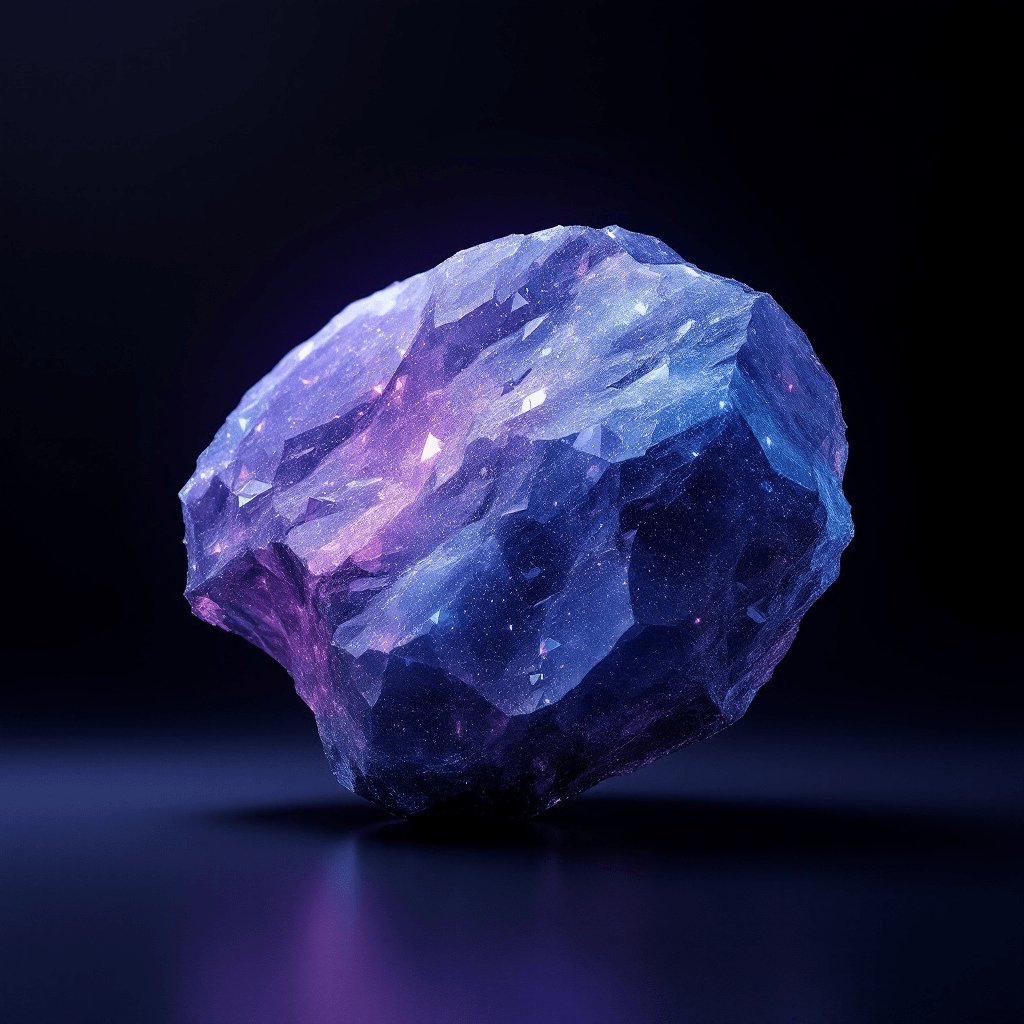
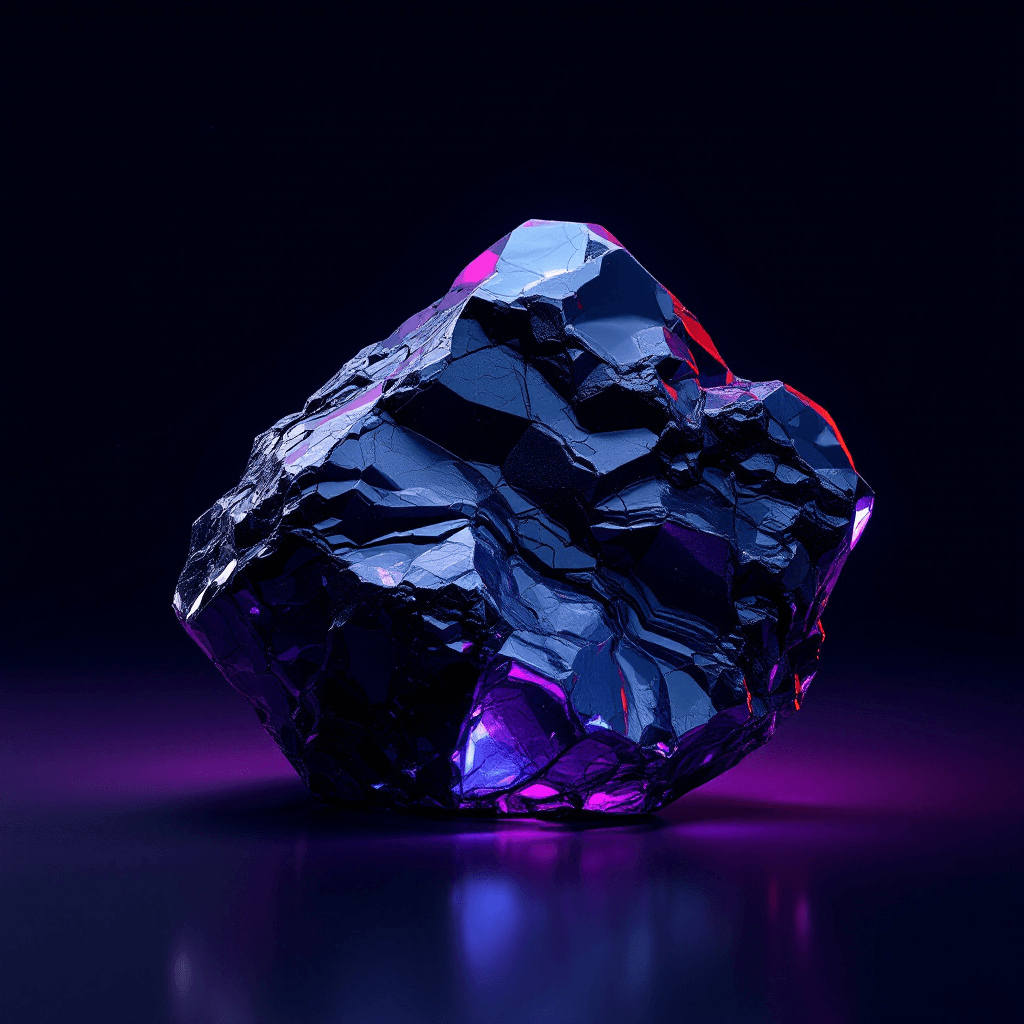
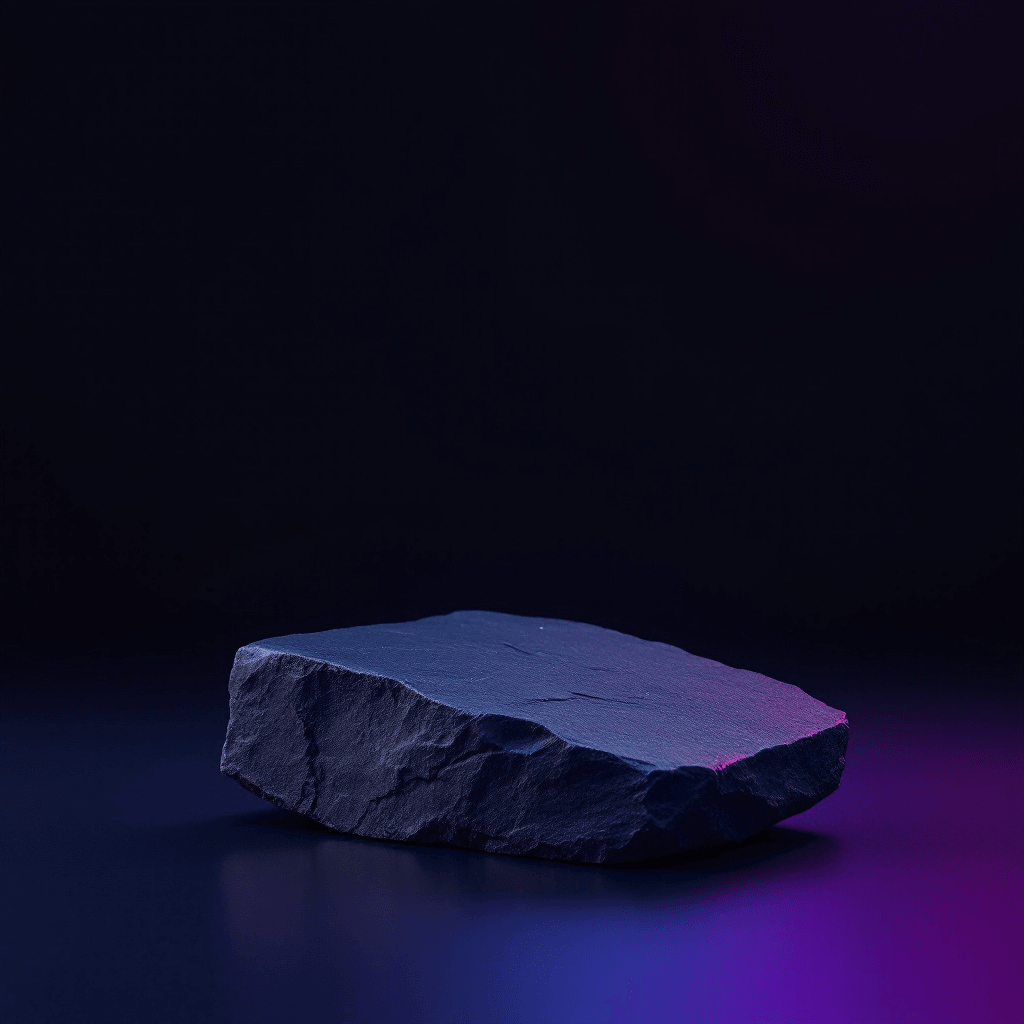
Make it yours
Is Gneiss your stone?
Open Gneiss on your phone
Scan the guide, save it to your profile, and use the app for stone scans, wearing reminders, and Rashi-aware jewelry ideas.
Scan the guide
Stone data enriched using AI with gemology and Vedic astrology sources. Always verify with certified experts for important decisions.