
mineral • Carbonate
Smithsonite
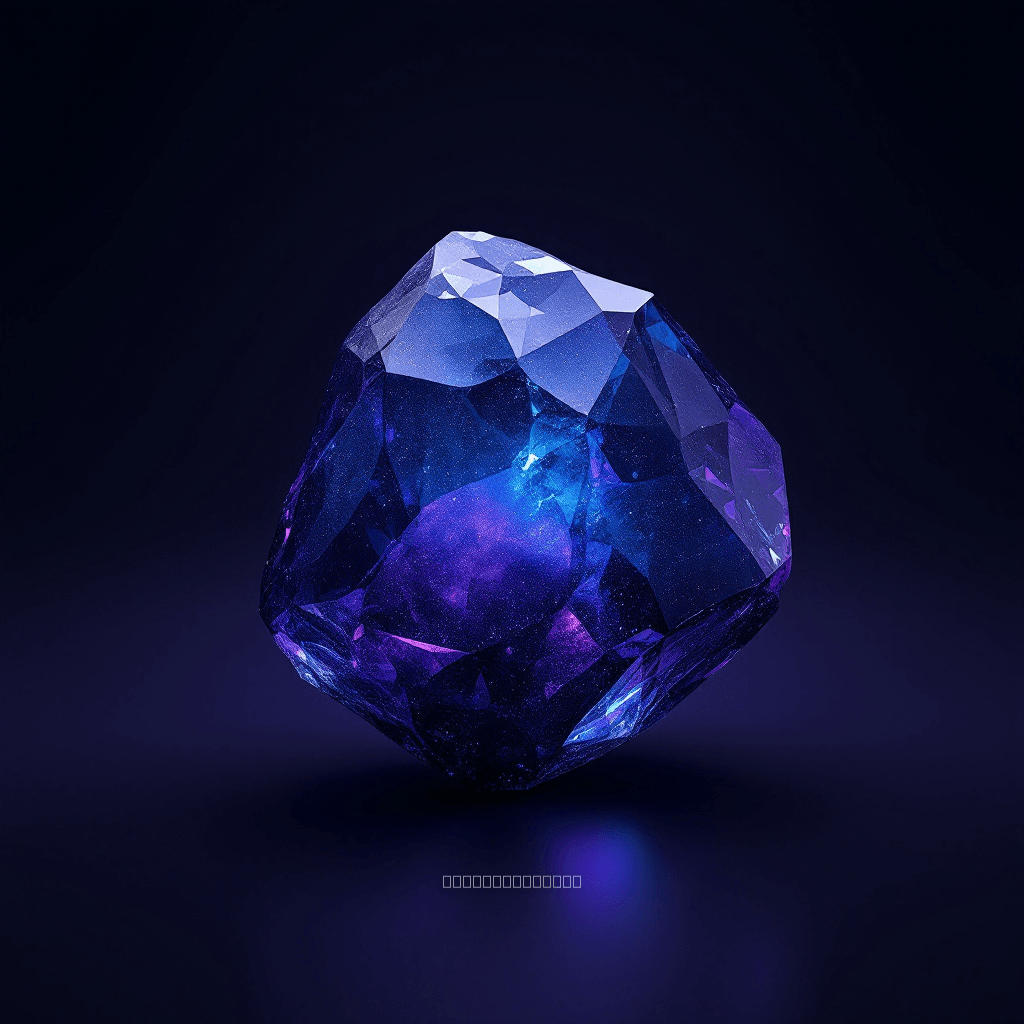
Smithsonite is a zinc carbonate mineral known for its soft pastel hues and botryoidal formations.
Quick Facts
Key properties and characteristics
Category
mineral
Family
Carbonate
Colors
Hardness
4–4.5 Mohs
Luster
Vitreous to pearly
Transparency
translucent
Found In
Namibia, Mexico, USA
Ruling Planet
Budh, Shukra
Stone DNA
Property breakdown
Scores normalized to 10-point scale for comparison
Color Spectrum
Natural color variations
Origin Highlights
Where this stone is found
+1 more locations
Crystal Structure
Molecular arrangement
Interlocking Crystalline
Multiple crystals fused together in matrix
Geology Deep Dive
Formation & composition
Formation
Smithsonite forms as a secondary mineral in the oxidation zones of zinc ore deposits, often replacing sphalerite or galena.
Volcanic / Plutonic
5-30 km below surface
Mineral Composition
Rashi & Planetary Match
Vedic astrology compatibility
Rashi Compatibility
Planetary Alignment
Uses by Industry
Click to explore similar stones
Commonly Confused With
How to tell them apart
Similar appearance
Similar appearance
Similar appearance
Always verify with hardness test or expert examination
Formation & Geology
Smithsonite forms through geological processes over millions of years. The unique conditions of temperature and pressure create its distinctive characteristics and crystal structure.
Understanding the geological origins helps appreciate the rarity and natural beauty of this stone.
Uses & Applications
Spiritual & Healing
Smithsonite is cherished in metaphysical circles for its gentle, nurturing energy. It is said to help release emotional wounds, promote self-love, and encourage harmonious relationships. The stone’s pastel colors are thought to resonate with the heart and throat chakras, supporting communication and compassion. Practitioners use Smithsonite to ease stress, calm anxiety, and facilitate personal transformation, making it a favorite for those seeking emotional healing. In Vedic astrology, Smithsonite is sometimes associated with Budh (Mercury) and Shukra (Venus), supporting clarity of thought and harmonious connections. Its calming influence is believed to benefit individuals under Kanya (Virgo) and Tula (Libra) signs, helping them balance intellect and emotion. The stone is also used in meditation and energy work to foster tranquility and self-acceptance.
Recommended for
Kanya, Tula Rashi
Affirmations
"I am calm and centered."
"I embrace emotional healing."
"I communicate with compassion."
Rituals & Practices
- •Wear as a pendant for emotional balance.
- •Place on the heart or throat chakra during meditation.
- •Carry in a pocket to ease anxiety throughout the day.
The information provided is for educational purposes only and not intended as medical advice. Consult a qualified professional for health-related questions.
More Carbonate Stones
Explore similar stones in this category
Make it yours
Is Smithsonite your stone?
Open Smithsonite on your phone
Scan the guide, save it to your profile, and use the app for stone scans, wearing reminders, and Rashi-aware jewelry ideas.
Scan the guide
Stone data enriched using AI with gemology and Vedic astrology sources. Always verify with certified experts for important decisions.